 In a previous blog post, we provide an overview of what WP plugins are about and how you can use these to add new features to your website or blog without touching code.
You can view this article here:
In this step-by-step tutorial you will learn why WordPress plugins need to be kept up-to-date, how to easily update and uninstall your WordPress plugins, and discover some tips to help you better manage your plugins if you own or manage multiple WordPress sites or blogs.
How To Update And Delete WordPress Plugins
Why Some Plugins Need To Be Updated
The WordPress software is constantly updated (about every 3-4 months) to fix bugs and address security issues and vulnerabilities discovered in earlier releases, as well as to improve existing features.
Depending on how many plugins you have installed on your site, there will typically be new updates for plugins when new versions of WordPress are released.
This is because most plugins for WordPress are created by external developers, so sometimes code in the newly-released WordPress version conflict with plugins that were built for a previous version. Whenever this happens, there is a potential for conflicts to sometimes develop.
Fortunately, most WordPress plugin developers (and the WordPress developer community itself) are quite proactive when it comes to making sure that plugins get updated when a new version of WordPress is released (if this is needed). All you have to do as a website owner, is just keep your plugins up-to-date, which, as you will soon learn, is very easy to do.

Keeping your WordPress plugins up-to-date and deleting old plugins you no longer need is an essential aspect of good WordPress site management and helps to avoid any potential errors and problems.
The tutorial below explains how to update and delete plugins safely without requiring web programming skills or knowledge.
Updating And Deleting Plugins From The WP Admin Dashboard – Tutorial
WordPress employs several methods to alert users when plugins need updating.
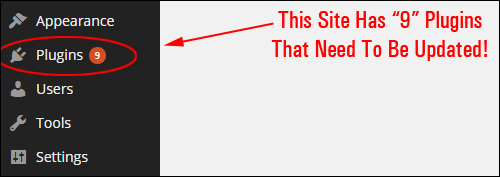
For example, you can immediately see how many plugins are out-of-date as soon as you log into your Site’s Dashboard simply by looking at the “Plugins” menu.
For example, in the screenshot below, nine plugins are out of date and need to be updated …
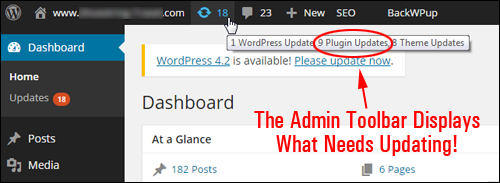
You can also tell how many plugins need to be updated from your WP Toolbar (as shown below, several plugins have to be updated) …
The Plugins page (Plugins > Installed Plugins) also lets you know which plugins need to be updated …
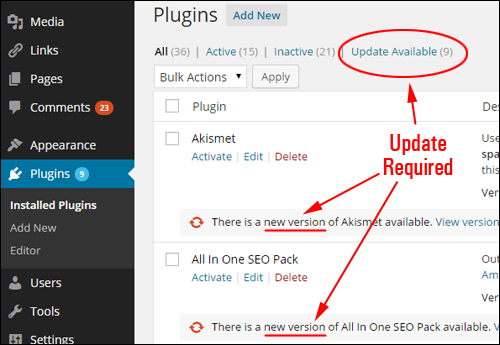
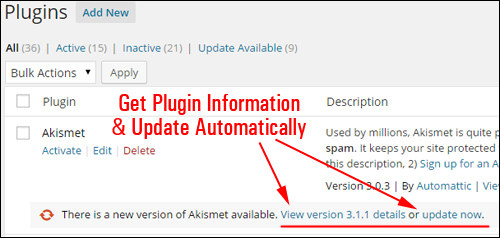
As well as providing information about plugins that have updates available, the Plugins section provides links to the plugin download pages and gives you the option to update the plugins individually or in bulk …
Let’s start by learning how to update individual WP plugins.
How To Upgrade Individual WordPress Plugins

Always make a backup of your data and files before updating your website or blog.
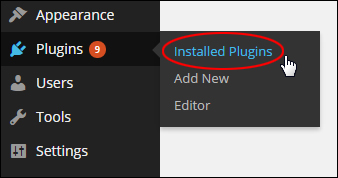
In your admin menu, select Plugins > Installed Plugins …
The “Plugins” area will display in your browser. The table of plugins can be quite lengthy depending on how many plugins you have installed in your blog …
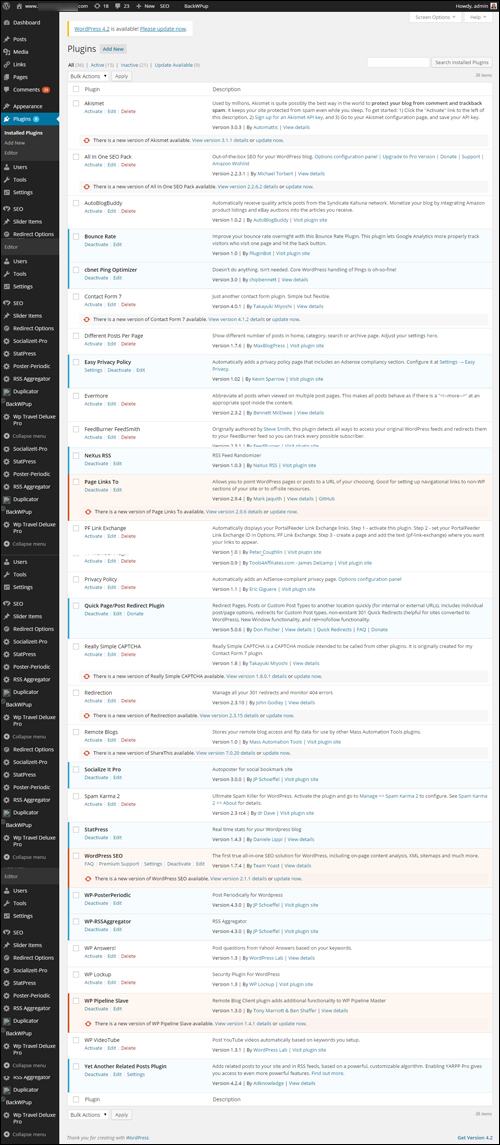
(Plugins Screen)

Useful Information:
If you have too many plugins and would like to reduce the number of plugins showing on your screen, then click on the Screen Options tab at the top of your Plugins screen and enter a smaller number of items per page (all plugins show up on the screen by default), then click Apply …
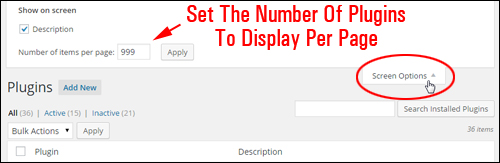
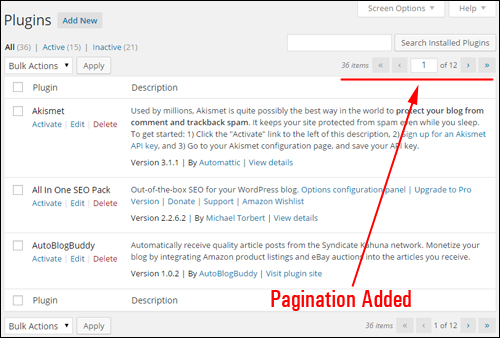
Your Plugins area will now be reduced in size with a ’numbered pages’ feature added. You can find an installed plugin by scrolling through the pages or using the “Search Installed Plugins” feature …
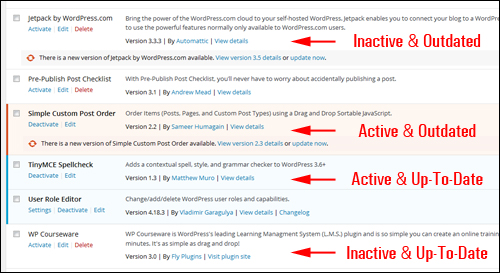
WordPress displays information about plugins in different backgrounds depending on the status of the plugins (active vs. inactive and out-of-date vs up-to-date) …
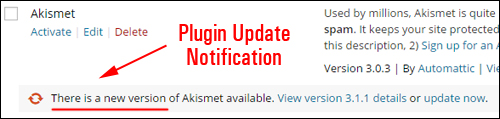
Plugins that require upgrading show the following notification message: “There is a new version of [Insert Plugin Name] available” …
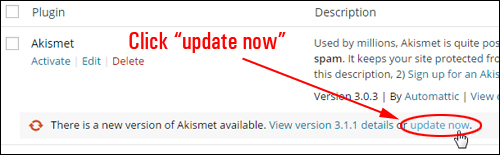
Select the plugin that you want to update and click on the update now link …
WordPress provides streamlined plugin updates, so that updating your plugins takes place “behind the scenes” without leaving your Plugins area …
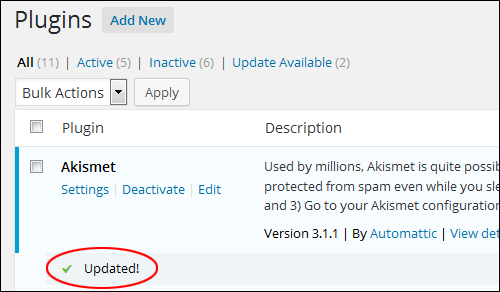
Repeat the above process for all plugins on your site that need to be updated, or refer to the section below if you have several plugins that are out-of-date and would like to update them all in bulk.
***
Now that you know how to update one WordPress plugin at a time, it’s time to learn how to bulk-upgrade plugins.
Bulk-Updating Plugins
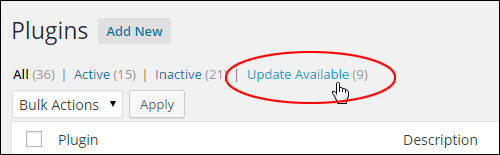
To bulk-update plugins using the automatic update feature, go to the “Plugins” section and click on the Update Available link on the menu at the top of the page …
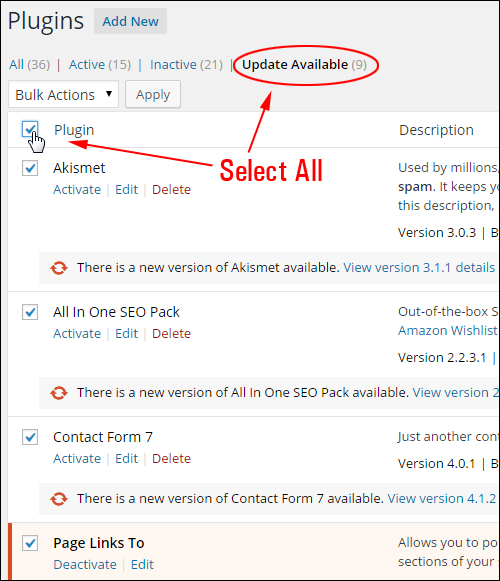
Tick the checkbox in the Plugin column header to select all plugins at once, or select only the plugins you want to upgrade by checking its box …
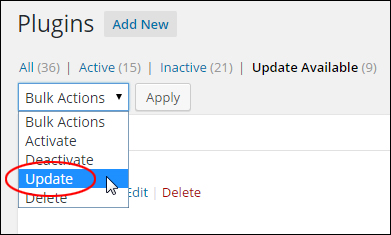
In the Bulk Actions drop down menu above the list of plugins, select Update …
And then click Apply …
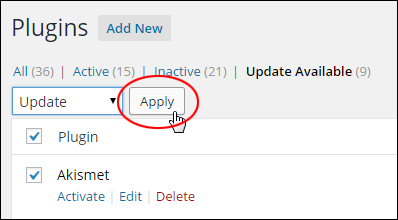
The plugins you have selected will begin updating …
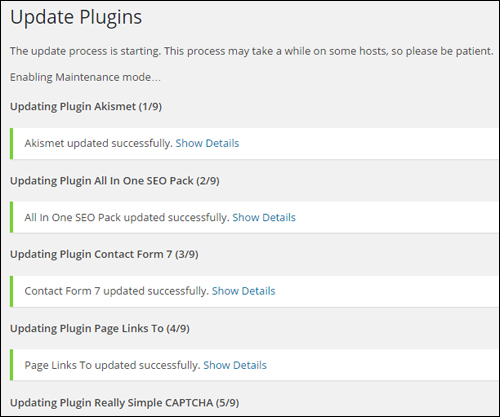
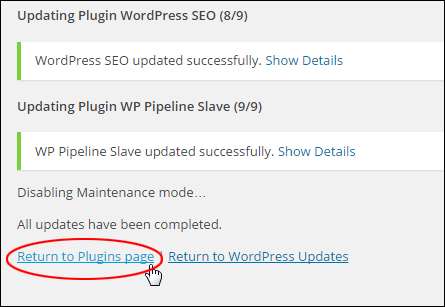
After the update process has completed, you can click on the Return to Plugins page link to go back to your Plugins section, or select another option from the WordPress admin menu …
Once your plugins are all up-to-date, any plugin alerts disappear (i.e. the “at-a-glance” indicators and “There is a new version of XYZ plugin available” notices no longer display on your screen, toolbar and menus) …
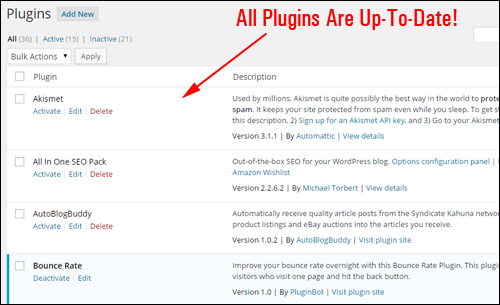
All plugins are now up-to-date!
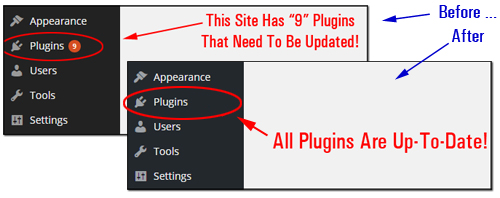
(When plugins on your site are all up-to-date, update notices disappear)
Now that you know how to update in the admin dashboard, let’s show you how to safely uninstall plugins from your WordPress site.
How To Delete Plugins
It’s a good idea to remove plugins that are no longer needed or being used on your site. This can help to reduce resources on your server and also help to eliminate problems.
In this section, you will learn how to safely remove unused plugins from your site.
We strongly recommend creating a full back up of your site before installing, upgrading or deleting plugins, in case something goes wrong and you need to recover data or restore your site.
To delete a plugin, go to your WP admin menu and click on Plugins > Installed Plugins …
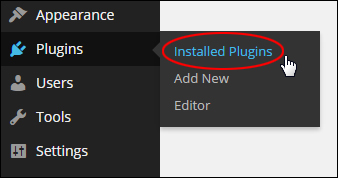
In the Plugins section, find the plugin you want to delete and make sure it is inactive.
Hint: Inactive plugins are listed in a different colored background than active plugins and show an “Activate” link below the plugin name …
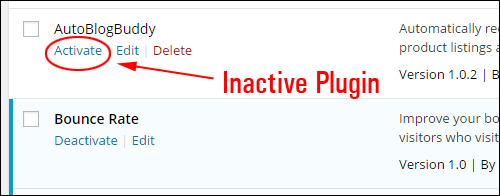
If the plugin is active, then click on Deactivate before continuing with your plugin deletion …
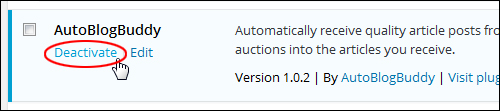
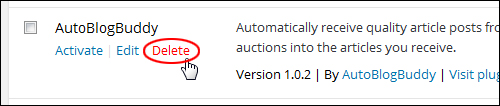
Next, click Delete …
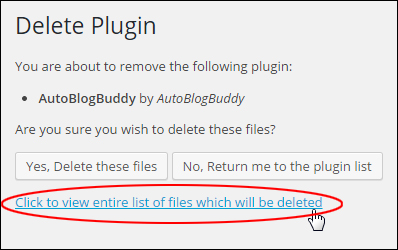
If you want to browse all the files that will be deleted before taking the next step, then click on the “Click to view entire list of files which will be deleted” link in the “Delete Plugin” page …
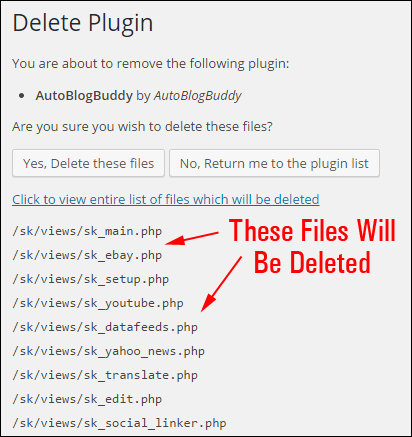
All files associated with the plugin that you are about to remove will be listed on your screen …
If you are absolutely sure that you would like to go ahead and delete the selected plugin files, click on the Yes, Delete these files button …
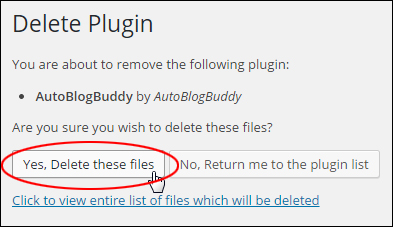
Your plugins and related files will be deleted …
Bulk-Deleting Plugins
You can delete all inactive plugins at once, or select a combination of active and inactive plugins to be uninstalled.
Note: To delete any plugins that are currently active, you must first deactivate them.
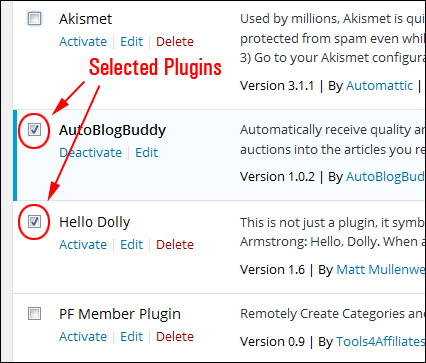
Go to the “Plugins” section and select all of the active plugins that you want to delete by either placing a tick next to their check box, or selecting the check box next to the Plugin column header to select all plugins (warning: this will deactivate all plugins) …
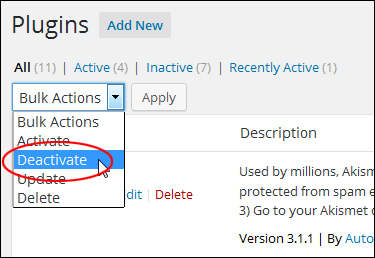
Next, select Deactivate from the Bulk Actions dropdown menu …
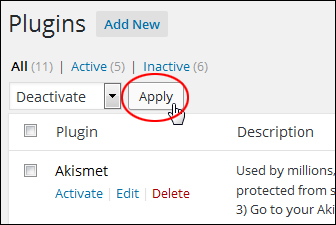
Click Apply …
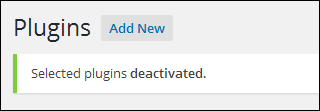
The selected plugins will be deactivated …
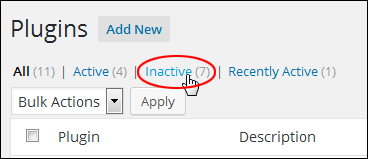
To delete all or some of the inactive plugins on your site, go to the “Plugins” section and click on the Inactive link in the Plugins menu …
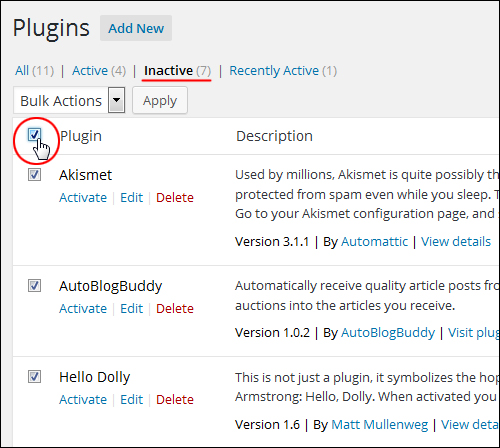
Tick the checkbox next to the Plugin column header to select all plugins at once, or select each plugin you want to delete by checking their individual boxes …
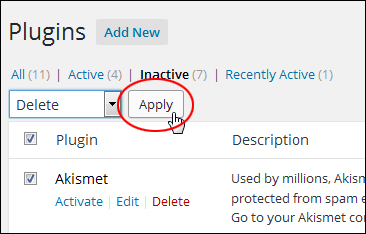
Once you have ticked all the check boxes next to the plugins that you want deleted, specify Delete from the Bulk Actions pull-down menu …
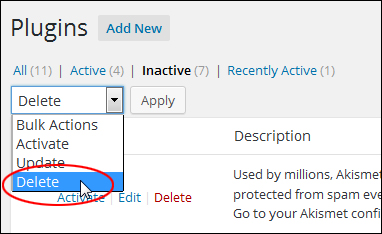
Click the Apply button …
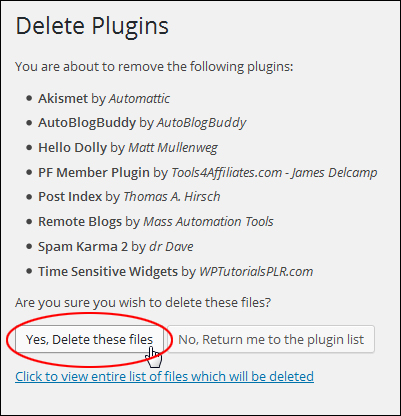
A list of all selected plugins will show up in the Delete Plugins screen. Click on “click to view entire list of files which will be deleted” to review all the plugin files that you are about to delete, or click on the Yes, Delete these files button if you are absolutely certain that you would like to go ahead and delete all of the selected plugins …
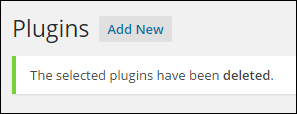
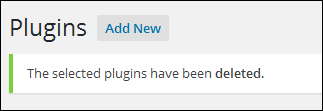
The selected plugins will be deleted …
Useful Management Tools For Plugins
As well as the methods shown above, you can install a range of tools that help you manage your plugins.
Health Check & troubleshooting
This plugin provides comprehensive checks for your WordPress installation to detect common configuration errors and known issues. It also enables plugins and themes to add their own custom checks.
The debug section allows you to easily gather information about your WordPress and server configuration, which can be shared with support representatives for themes, plugins, or on the official WordPress.org support forums.
The troubleshooting feature allows you to initiate a clean WordPress session, where all plugins are disabled and a default theme is used, but only for your user account until you choose to disable it or log out.
The Tools section offers the ability to check for file tampering in WordPress, test email-sending functionality, and verify plugin compatibility with future PHP version updates.
For more details, go here: Health Check And Troubleshooting
Managing WordPress Plugins On Multiple Sites
As discussed earlier, when plugin updates are released, the best practice is to update the plugin as soon as possible to its latest version.
What if you run multiple WordPress sites using the same plugin?
Typically, you would need to log in to every site individually and update the plugin manually from the site’s admin dashboard.
If you manage or plan to manage multiple sites, this process can become very time-consuming, especially as plugins get updated quite often.
If you manage multiple WordPress sites, you can install, update, and delete multiple plugins on all your sites automatically and simultaneously using WordPress site management tools, like the one below:
WPMU DEV’s The Hub
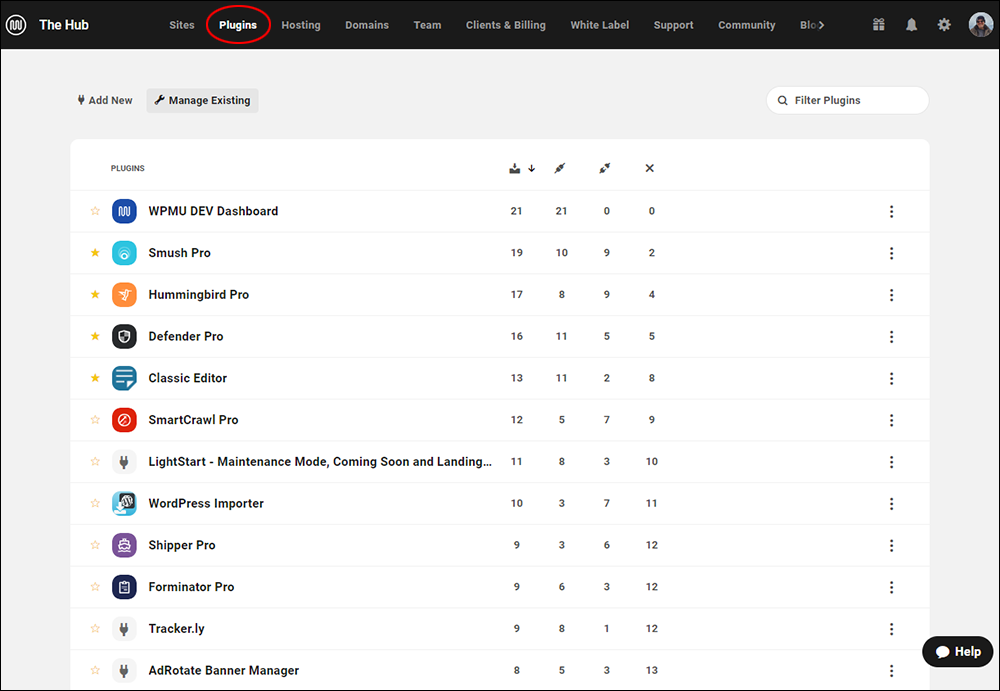
The Hub lets you manage unlimited WordPress sites easily and effectively from one central command center.
The Updates section of The Hub shows you exactly what needs updating on each of your managed site(s), including plugins, themes, and core software updates.
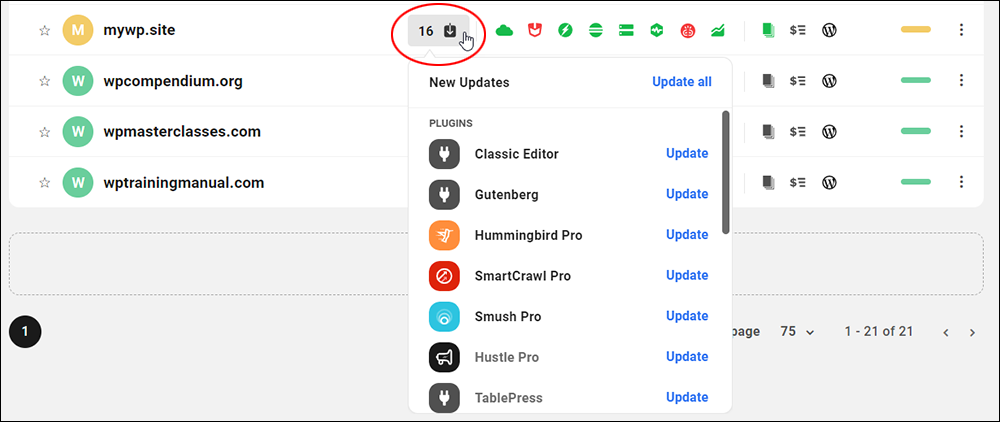
The Hub’s Updates features display how many outdated components need updating on your site(s).
You can choose to either update all your plugins at once or update them individually with just a few clicks. Best of all, you don’t need to log into every site separately to perform your plugin updates.
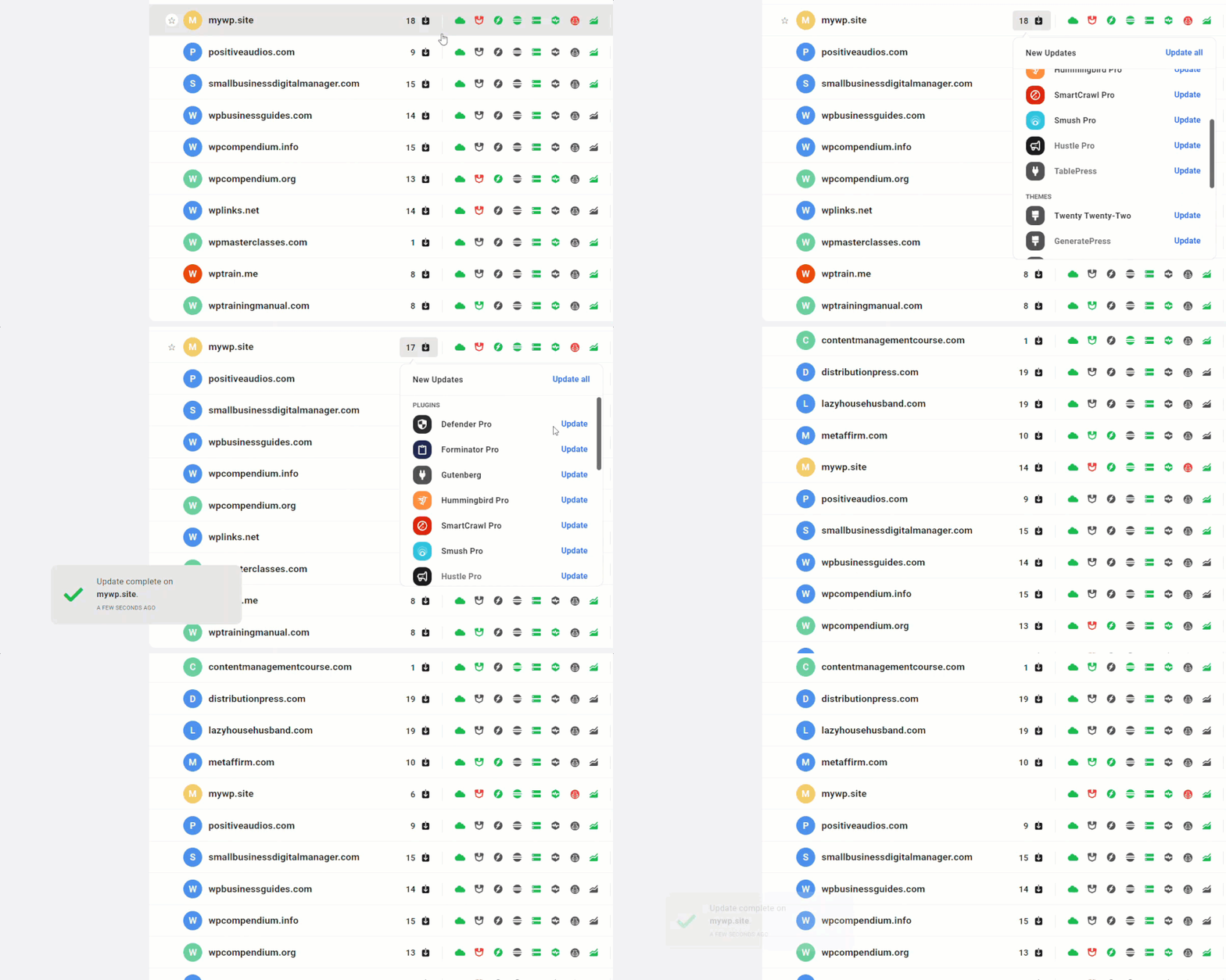
Update everything at once or perform individual updates directly in The Hub with a few clicks.
This can be a real time-saver when managing multiple WordPress sites, especially when WordPress releases a new version and you have to update many plugins and themes to prevent potential issues from happening.
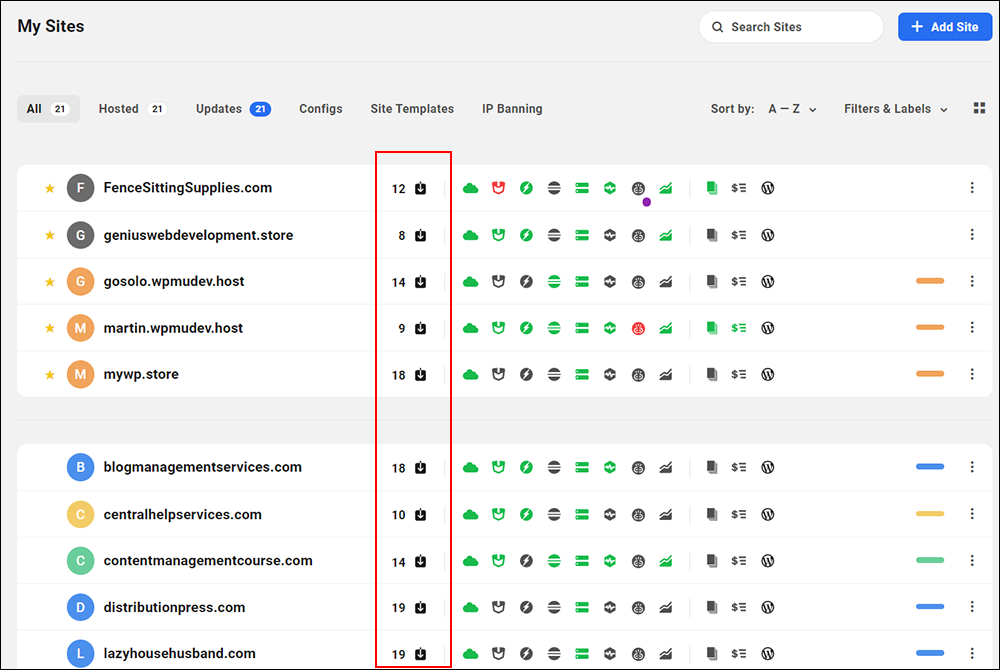
You can read our comprehensive article on managing multiple sites effectively using the Hub or visit WPMU DEV to learn more and try The Hub for free.
***
"Your training is the best in the world! It is simple, yet detailed, direct, understandable, memorable, and complete." Andrea Adams, FinancialJourney.org