 One of the main benefits of building a digital presence with the WordPress software is the ability to quickly and easily increase your WordPress website’s functionality using plugins.
What Are WP Plugins?
No doubt, you probably own a device like a mobile phone. What happens when you would like to access something new on your device like a new game or productivity tool?
You download and install an app!
An app is a piece of software that is very easy to install and adds new features and functionality to a mobile phone.
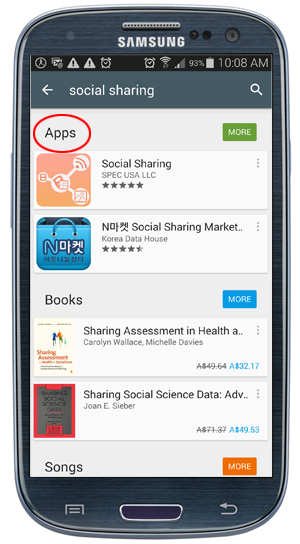
(Just as you will find social sharing apps …)
A WP plugin is like an app. You simply install a software application that provides new functionality to your WP web site …
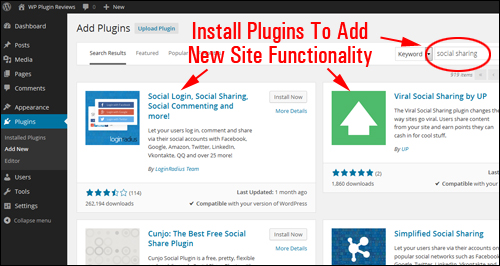
(… you can also find social sharing plugins for WP users!)
Generally, expanding the functionality of a web site involves additional cost. Depending on how complex the new features or enhancements are, the cost can be quite significant, especially if it involves website development.
This is also applicable when setting up a new website or business blog. Organizations sometimes spend money for additional components they may not need.
As part of sound strategic business planning, we recommend a sustainable approach when growing a presence online presence and WP plugins are ideal for doing this.
Wouldn’t it be great if you could:
1) Start simply and inexpensively. Get a basic, professional website up and running quickly, then …
2) As new features and functionality are required, simply install new software modules with only a few mouse clicks that integrate seamlessly with your website and blog, and give your website or blog a whole new and expanded range of capabilities and functionality, and also …
3) Cost not one cent extra to add to your website?
Well, that’s precisely what WP plugins allow you to do!
Plugins – Benefits
Earlier, we compared plugins with smartphone apps. Just like some apps are free to download and some apps cost a little money, so do plugins.
In fact, thousands of powerful plugins can be installed and activated on your websites.
WordPress plugins that you purchase are called Premium plugins. The good news, is that when you compare these to the cost of hiring a professional web developer to add the same features and functionality on your site, most Premium (i.e. paid) plugins are priced quite cheaply.
Also, as WordPress makes its source code available to everyone, any web developer can create, modify and customize any portion of the code. This has allowed many third-party software development companies to build more new tools that “plug into” the WordPress platform than you can probably imagine.
- Plugins allow you to get started with a basic web site and expand as required.
- Plugins allow you to add practically unlimited functionality to your web presence easily, quickly and inexpensively.
- Plugins give you virtually endless expanding capabilities.
- Plugins allow anyone to own a web presence that they can fully manage.
- Most plugins normally work “right out of the box” and only require installation and activation to provide your website with instant new capabilities and enhancements.
- Some plugins provide more extensive features and could require some initial configuring.
Plugins – Powerful, Flexible … And (Many Of Them Are) Completely FREE!
Like many themes, tens of thousands of great plugins are available for WordPress users … for FREE!
You can view and download thousands of plugins from the Free WP Plugin Repository …
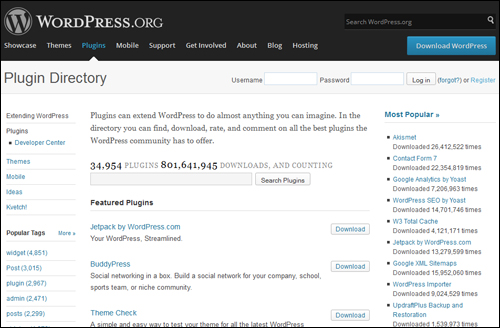
As previously mentioned, you will find plugins that can do almost everything you can possibly want your website to do.
Plugin categories cover:
- Site Administration
- Content Syndication
- Web Traffic Generation
- User Engagement
- Social Monitoring
- Media Utilities Automation
- Improving Sales And Opt-In Conversions And Lead Generation
- Data Reporting Tools
- Optimizing Your WordPress Site
For example, you can expand your WordPress site with plugins like the following:
- Contact forms
- Polls and quizzes
- Surveys
- Rotating banners
- E-commerce (from setting up single-item ordering with PayPal buttons, to full e-commerce with online shopping carts, invoicing, recurring billing, coupon codes, etc …)
- Social sharing buttons
- Private Membership sites
- Newsletter subscription forms
- Sales workflow
- Mobile conversion
- Improving your site’s SEO
- Image galleries (with rotating images, lightboxes, etc.)
- Customer feedback forms
- Language translation plugins (e.g. you can instantly change your website’s content from English to German)
- Statistical reporting (e.g. number of visitors, pages visited, keywords searched, etc.)
- Custom navigation menus
- Customer engagement – contest, live chat, currency conversion, etc.
- Media integration
- Making pages load faster
- Event management
- Niche directories
- Automatically sell and manage advertising on your website
- Set up appointments and appointment reminders
- Manage reservations and bookings
- Detect broken hyperlinks and email you reports
- Redirect URLs
- Monitor social signals
- Make your pages printable or downloadable as a PDF file
- Add a site map
- Hide pages from showing on areas of your site (e.g. site maps, feeds, etc.)
- Protect content on your pages and posts
- Import data from different publishing applications
- Perform bulk data edits
- Block SPAM
- Customize guest comment displays (e.g. display Facebook comments)
- Insert scripts and script elements into your content
- Add tables
- Display animated graphics and advanced font display formatting options
- Create and manage QR codes
- Improve your local search listings on Google
- Add a map of your business location
- Post your content automatically on sites like Facebook, Twitter, YouTube, Pinterest and many others
- Show countdown timers (for scarcity offers, discount coupons, etc …)
- Display custom greetings, timed offers, etc …
- And hundreds of other features!
As you can clearly see, WP plugins give you virtually endless business flexibility. If you are currently planning to build a website or blog for your business, or your existing web site isn’t powered by WordPress, then consider using WordPress in the future.
If you’re still wondering just how powerful and flexible plugins are, let’s take a look at some practical advantages of installing a plugin on your site.
For example, if you want content protection, you can use plugins to make just a couple of paragraphs on your post or page inaccessible, or transform your WordPress site into a professional membership site with separate login details for each user …
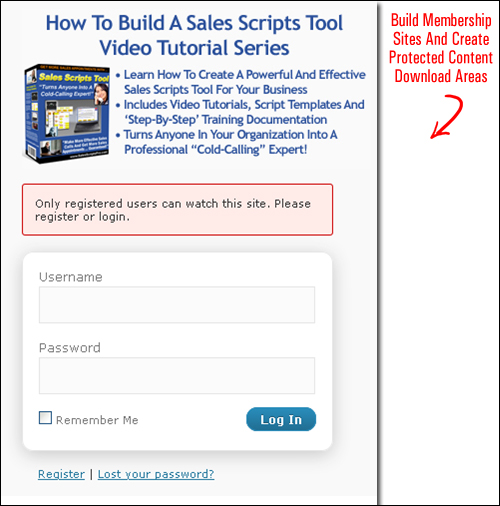
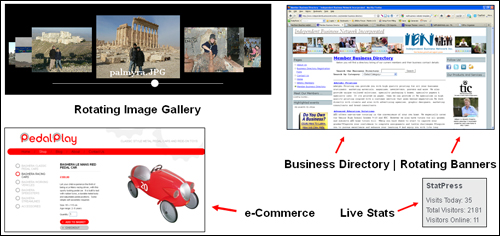
As mentioned before, free plugins can be used to enhance your web presence in lots of ways. From adding features that improve your business, your web users’ experience and your ability to analyze visitor data …
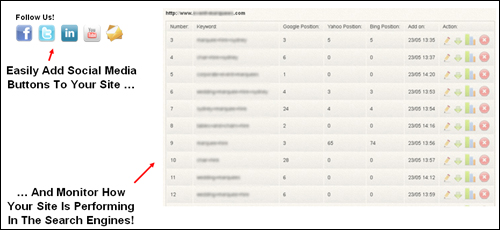
To increasing your site’s reach and visibility across social sites and search engines …
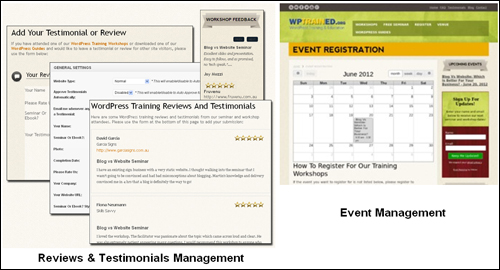
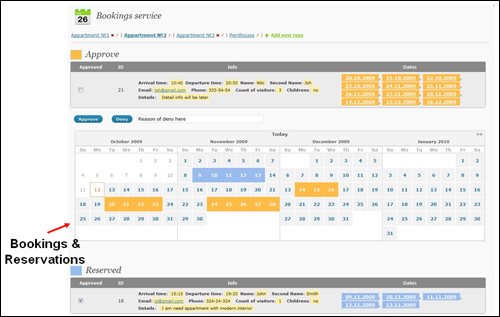
You can also add sophisticated features to your site using relatively inexpensive paid plugins. For example, you can download plugins that automate processes on your website like user feedback and event bookings management …
And even set up a custom-branded bookings and reservations system online … all for a small fraction of the cost of hiring programmers to build these functionality for you …
You can also take advantage of native WordPress commenting features and plugins that can make your site even more interactive …
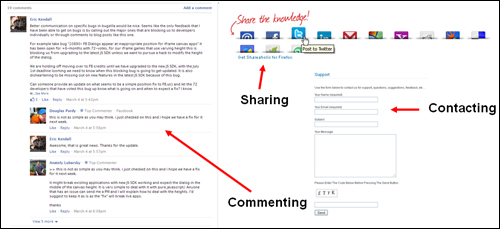
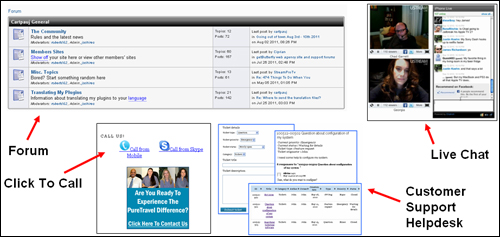
For example, your web visitors can easily:
- Leave comments on your site (which can turn into online discussions) using either the built-in WordPress commenting function, or integrated Facebook comments (which are then shared throughout your visitors’ Facebook pages, providing you with increased exposure).
- Share your posts with other web visitors on bookmarking sites.
- Contact you using contact forms
- Engage in online discussions with other members through online forums or even set up an online community on your domain.
- Engage with your staff using live chats
- Call your business from their mobile phones while visiting your site
- Open support tickets
- And much more …
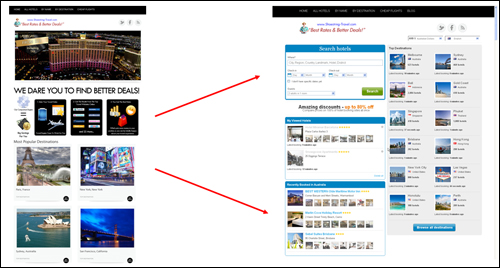
Finally you, can even integrate sophisticated “back end” applications within a WordPress “front end”. This allows you to control the content that your visitors will see on your site, while the third-party application handles the technological aspects …
Useful Things You Should Know About WP Plugins
- There are loads of amazing plugins available. Be careful of overloading your site with too many plugins, as this will affect your site’s resources and page loading times. It can also mean more maintenance work for you as a result of possible conflicts and errors.
- Only keep those plugins you really use. Delete inactive plugins from your site, as these use additional resources.
- Many free plugins typically come with very little to no support from the plugin author. When considering paid plugins, make sure you check some reviews online and see what kind of reputation the developer has when it comes to providing support, updates, new improvements, etc. Be sure to check some of our WordPress plugin reviews for additional useful information.
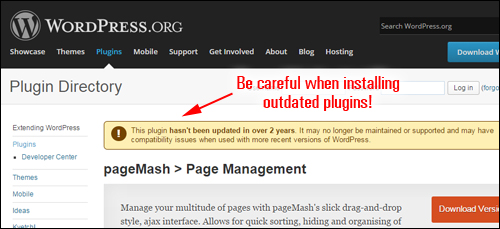
- If you see that a plugin has not been updated for a while (e.g. two years), then think twice before using it on your site. The WordPress platform updates often and older plugins that have not been updated can create issues.
- Make sure that you always update your plugins. Outdated plugins not only can cause problems, they could also have security vulnerabilities that could be exploited by hackers and malicious software.
As you can see, WordPress plugins are an important aspect of WordPress and contribute to making WordPress the most used CMS available. Plugins also provide WordPress users with an easy, simple and inexpensive way to expand quickly without having to spend thousands of dollars on outsourced web developers.
One last thing about plugins:
If there is a feature you need for your website, you can guarantee that a someone has probably already created one that will do just what you need, and that this plugin can either be accessed at no cost, or if it’s a paid plugin, that the cost will be minimal.
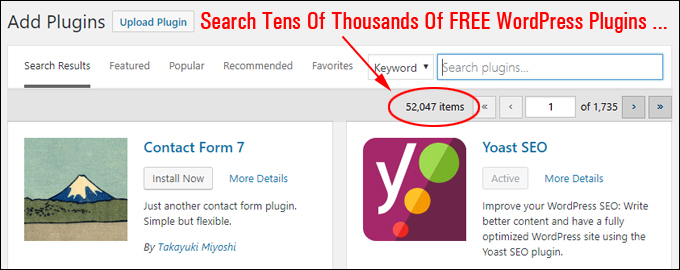
(Whatever you need done, there’s a WordPress plugin for that!)
And, if by chance such a WP plugin is not available, then it can probably be developed for your business for a reasonable price.
Hopefully, now you have a better understanding of WordPress plugins – what plugins are and how they can to improve your website. See our related posts to learn about more popular plugins that we recommend using.
***
"This is AMAZING! I had learnt about how to use WordPress previously, but this covers absolutely everything and more!! Incredible value! Thank you!" - Monique, Warrior Forum
***