If you plan to grow a successful business online, the last thing you want to do is to find yourself on the wrong side of the law.
As the cybersphere continues growing at an overwhelming speed and the rules constantly change, it’s vitally important that you stay informed about what’s going on and to make sure that your website or blog remains compliant with all laws and regulations, especially if your online presence is a fundamental factor in your business strategy.
Recent laws introduced in 2014 that regulate how businesses promote advertising on their websites clearly state that if you plan to promote anything on your website for material gain, you must follow certain principles of disclosure to prevent enforceable orders being issued against you by regulatory departments, such as the US-based BBB, or Better Business Bureau. Look up “The Online Interest-Based Advertising Accountability Program,” which regulates behavioral advertising across the internet to learn more.
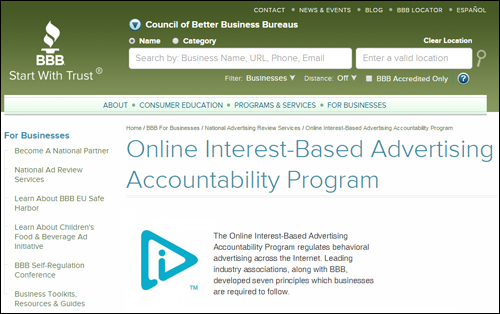
(Better Business Bureau Website)
These laws has legal ramifications for several online business activities, including:
- Any form of advertising, e.g. Google AdWords or AdSense
- Retarget Marketing
- Google Analytics (or other analytics software)
- Affiliate Marketing
- Product Creators
- Bloggers
- etc.
If your site does not display certain legal pages (e.g. terms and conditions of use, privacy policy, legal disclaimers, etc.), many third-party sites like Google won’t let you advertise, online merchants like ClickBank won’t allow you to sell digital products, PayPal could suspend your account, Facebook will reject your applications, and you won’t be allowed to participate in a range of advertising or affiliate marketing networks.
If your business online is not compliant, you could also end up facing a multitude of penalties, including fines, having your website shut down, even jail time!
In this guide, we discuss the importance of having a legally compliant website and describe inexpensive solutions to make your WordPress site compliant.

Does Your Site Comply With All Legal Requirements?

Disclaimer: Please note that we are not lawyers and we do not provide legal advice. As previously stated, the aim of this article is only to help make you aware that your website may be subject to a number of legal policies in accordance with the laws and regulations governing business online and that compliance may be required with the terms of service of 3rd-party providers whose products or services you endorse
Why Making Your Website Compliant Is Important
Are you at risk? Consider what could happen to your business in the following scenarios:
- A user has a heart attack after using your online fitness workout.
- The skin cream you sell as an affiliate marketer gives a number of users an adverse reaction.
- Your opt-in list displays a statement informing prospective subscribers that you won’t sell their information, but you have not defined what you plan to do with the information you have collected.
- Someone copies your content and publishes it on their own site.
- There is no statement on your website letting your site visitors know that you are marketing a product as an affiliate and will receive financial benefits if visitors purchase using your affiliate link.
- You did not spell out the terms and conditions of your refund or return policies.
- Visitors claim that the testimonials on your site are false and try to sue you.
- You have not disclosed that you have received a free copy in a product review.
- Your site publishes adult content and you did not take appropriate measures to keep underaged children from accessing it.
Consider too these actual case studies of costly compliance breaches:
- A CPA Marketer failed to provide adequate disclaimers telling visitors they would have to give up their personal information to complete a debt reduction offer. In addition to a hefty $390,000 fine, he was also ordered to give a copy of the judgement to everyone he does business with for the next 20 years — including employees.
- A social networking app developer received a whopping $800,000 fine for collecting personal information from mobile device address books without the owners’ knowledge and consent – including storing children’s private information.
- Facebook’s Terms Of Service does not allow users to scrape Users IDs. Many marketers took a risk and lost. Their accounts were shut down, costing them thousands of dollars in lost revenue.
- An independent study by Brad Geddes of SearchEngineLand, showed that, of a couple of hundred randomly-chosen websites, more than 90% were in violation of at least one of Google’s policies, more than 65% were in breach of at least 2 of Google’s policies, and more than 40% were in violation of at least three of Google’s policies. Although the website owners could technically be sued by Google, more than likely what could happen, is that they would be issued cautions or lose access to the Google program whose policies they had infringed, which could result in loss of income (e.g. AdSense or AdWords).
Can you see how you could become exposed to the risks of litigation through non-compliance?
Regardless of whether you are a:
- CPA (Cost Per Action) or CPC (Cost Per Conversion) Marketer
- MLM Networker
- Affiliate Product Marketer
- AdWords Advertiser
- Product Marketer
- Amazon Associate
- e-Commerce Store Owner
- Adult Content Publisher
- Provider Of Freelance, Coaching Or Consulting Services
- Seller Of Any Service Or Product Online
It’s vitally important to ensure that your digital presence stays legally compliant.
Complying With Third-Party Companies
Compliance with 3rd-party services terms and policies is important.
You are expected to let your site users know that your business complies with all necessary legal requirements and professional guidelines. This not only improves consumer trust and confidence in your business, it’s also required by most companies you do business with online.
For example:
Google requires you to display certain information when using their services and features. This includes using Google Analytics …
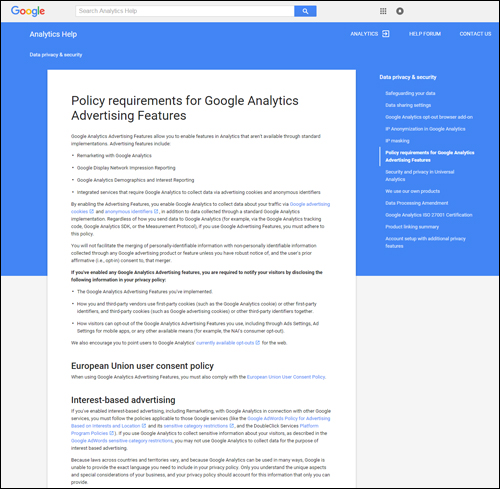
(Policy requirements for using Google Analytics)
Generating revenue with your WordPress site using Google AdSense …
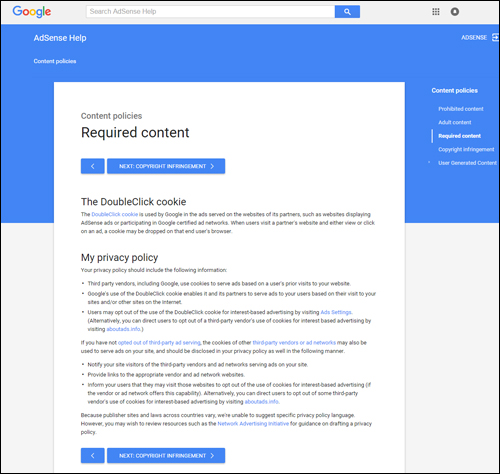
(Google AdSense online advertising - policy requirements)
And even promoting your site through Google AdWords …
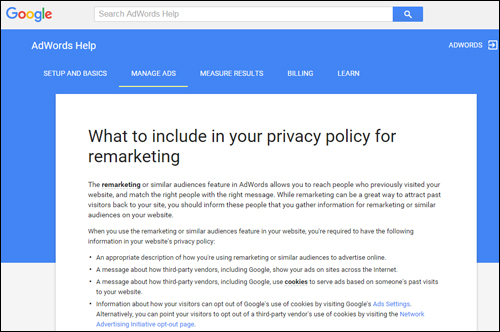
(Policy requirements for using Google AdWords)
If you sell products online through places such as ClickBank, JVZoo, or other established online merchant networks, you will need to add various legal pages before they will approve your products for sale in their network …
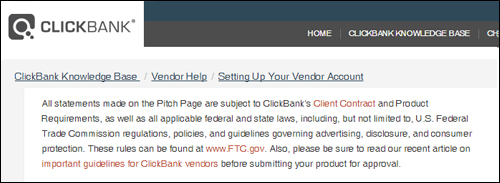
(Policy requirements for ClickBank product vendors)
The FTC (Federal Trade Commission) also requires that you add clear disclaimers and policy statements to visitors, especially if you plan to use product testimonials or endorsements …
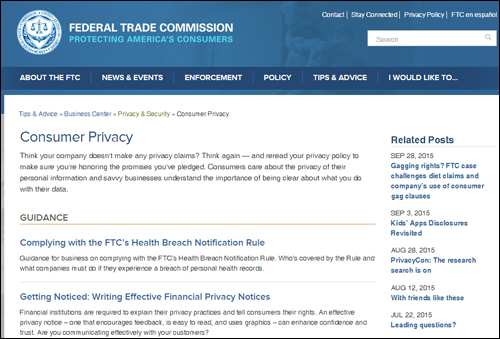
(FTC – consumer guidelines and regulations)
FTC Regulations – Ensuring That Your Site Is Compliant
FTC regulations governing the conduct of businesses online were introduced in March 2012. Search online and you will see that many sites are unaware (or choose to ignore) these requirements. As has already been the case, this often prompts the FTC to make an example of businesses and prosecute companies in an effort to get other businesses to comply.
If you plan to do any type of selling online, therefore, it’s best not to take chances. Even if your business does not operate in the U.S. we strongly recommend protecting your business by ensuring that your website complies with all FTC guidelines and regulations.
There are many online business resources that can provide guidelines and examples on how to structure disclaimers and disclosures to help your business meet FTC requirements. See the resources section at the end of this article for more information …
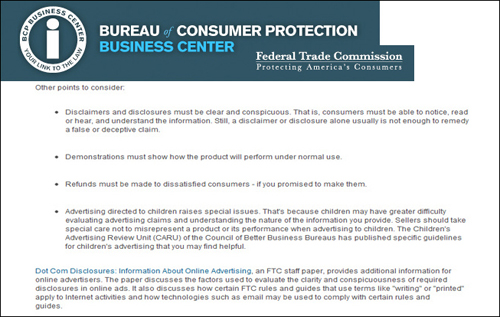
(You must word your disclaimers and disclosures correctly to avoid running foul of the law)
Social Media Apps - Don’t Forget These
If you are planning to create applications for your site users, you will also be required to provide sites like Facebook, Twitter, and others with information about your legal pages …
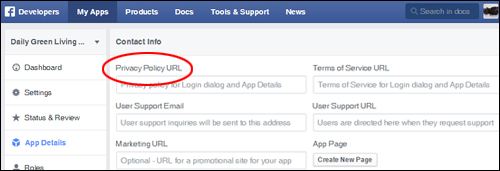
(Apps for social networking sites like Facebook also require compliance)

- If you are not sure whether you are breaking the law, and/or Terms of Service policies and guidelines of companies like Google, Facebook, etc., then it’s best to assume that you most probably are.
- If you are considering promoting services or products online as an affiliate marketer, or monetize your pages with Google AdSense, Amazon, or eBay advertising, or using Google AdWords to drive visitors to your pages, etc., then find out exactly what kind of legal information you are required to include on your site to comply with all Terms Of Service and policy requirements - don’t risk having your accounts shut down.
- If you have been wondering whether “borrowing” a Copyright Notice is Copyright infringement, take proper precautions to protect yourself and your business.
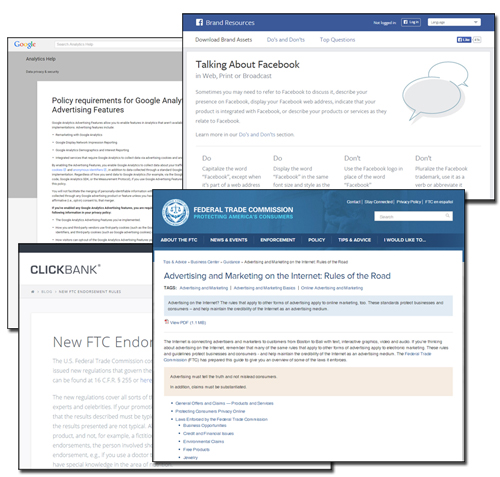
(In addition to legal and regulatory compliance, most third-party services require you to comply with their policies)
Essential Legal Pages You Should Add To Your Site To Ensure Compliance
If you suspect that your web site is falling short in areas of compliance, then you will find this section helpful.
At its most basic, adding the following compliance pages to your site should help your business stay out of trouble with many regulatory authorities and third-party providers, and help to avoid possible legal issues):
- About Us Page
- Contact Page
- Privacy Policy
- Terms Of Use
- Disclaimer Pages
- General Data Protection Regulation (GDPR) Compliance
In addition to the pages above, you may want to look into including any of these pages if applicable:
- Affiliate Agreement (if you sell products or services through an affiliate program)
- Anti-Spam Policy
- Compensation Disclosure
- External Linking Policy
- Health Disclaimers (e.g. if your website provides health or medical content)
- Refund Policy (if you sell products or services online)
- Media Terms Of Use (e.g. if you allow media downloads on your site)
Disclosure Pages – Types
Adding the correct type of disclosure is important. For example:
- No Material Connection – Lets users be aware that you will not receive compensation for writing the content.
- Affiliate Links – Notifies users that you will benefit financially if they buy through one of your affiliate links.
- Review/Sample Copy – Lets visitors be aware that you have been given a review or sample copy of the product.
- Sponsored Post – Lets your readers know that you were compensated in some way to write the post.
- Third Party Advertising – Informs users that you’re using online behavioral tracking technology. This is required to comply with the “enhanced notice” the Better Business Bureau has been requiring online publishers to show prominently on their sites since January 1, 2014.
How To Add Legal Content To Your Site
Ideally, you will consult lawyers or a legal firm and ask them to prepare the content of your legal documents. Once you have this completed, there are several ways to add them to your website.
Upload Legal Web Pages To Your Site
If someone prepares the legal content for you in standard web page formatting (e.g. HTML), you can simply upload these to your site, or have someone upload them for you.
We recommend adding a legal folder to your web server and uploading your legal pages to this directory via FTP …
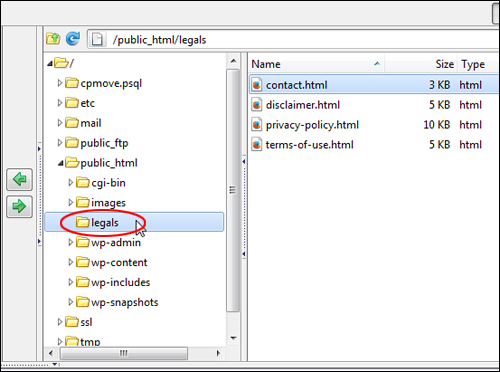
(Upload legal pages to your web server via FTP)
You can then easily add links to these pages from your WordPress site using a custom WordPress menu …
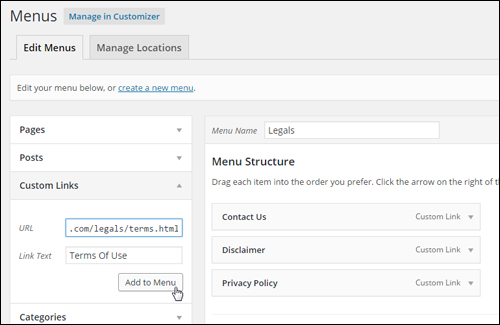
(WordPress Menu)
Make sure that your legal pages are kept up-to-date and clearly visible to all visitors. You can add these to the WordPress sidebar (or the footer of your site) to ensure that visitors can access the information from every web page …
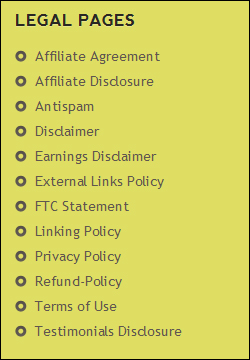
(It’s important to display legal pages to users on all of your site’s pages)
We have created a detailed tutorial about displaying links to pages on your sidebar and footer in WordPress using widgets here:
Ready-Made Legal Templates
You can find downloadable attorney-prepared forms and agreements just by searching online, or by going to websites like this one:
Find Legal Forms
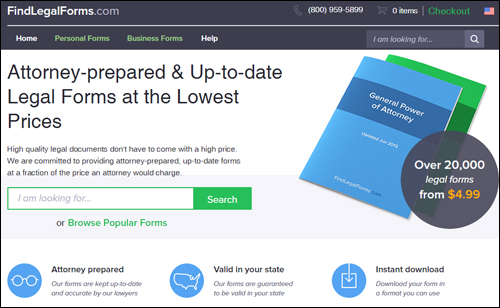
(FindLegalForms.com – Legal forms)
For more information, go here:
Another option is to purchase a package of website legal templates drafted by legal attorney Scott Talbert to help businesses protect themselves online …
Cut And Paste Website Legal Pages

(Scott Talbert’s Website Legal Page Templates)
Cut & Paste website templates feature less passive voice and more plain language phrasing and can be easily customized with a quick search and replace to add your own business details, then pasted into your web pages.
The legal templates included in Scott Talbert’s Website Legal Pages include:
- Anti-Spam Policy
- Copyright Notice
- Disclaimer
- DMCA Compliance
- FTC Compliance
- Privacy Policy
- Terms of Service (ToS) & Conditions of Use: includes inter- & intra-page redundancy, Contra Proferentem provision, reservation of rights, and exclusive social media admonition.
You can either create a new page on your website for each legal form you want added to your website, then paste the content from the templates into your web pages and publish or upload the pages to your web server as described earlier.
Visit this website to learn more:
Legal Pages – WordPress Plugins
In addition to using legal templates, you can simplify things by using plugins.
Here are some legal plugins for WordPress users that you should check out:
WordPress Legal Pages Plugin

(WordPress Plugin – WP Legal Pages)
If you don’t want to bother with creating legal web pages manually, then consider choosing a plugin like WP Legal Pages …
The WP Legal Pages plugin is not free, but it’s a very affordable and well-supported premium plugin that will help make the task of creating and implementing legal pages on your website a lot easier and save you many headaches.
Some of the reasons to consider using WordPress Legal Pages are:
- Built-in Legal Templates – Over 20 built-in legal templates created by a team of professional lawyers.
- Quick And Easy To Use – Set up most of the legal pages you need in a few minutes with just a few mouse clicks.
- Customizable Pages – The plugin includes customizable and completely editable legal form templates (e.g. Terms Of Service, Disclaimer, Privacy Policy, Earnings Disclaimer and more!)
- Easy To Edit Pages – Full WYSIWYG editor lets you edit all legal pages just like every other page on your website.
- Custom Shortcodes Integration – You can add shortcodes to your WordPress pages and the information is then automatically inserted into your pages when you publish.
- Exclude pages. Exclude pages from menus with a simple checkbox and delete and manage these like every other WordPress page.
- Forced Options – Force page or post lock down. When the user agrees to the legal terms, the page unlocks, giving them access.
- Additional Features – New plugin features get added when new versions are released.
After installing WordPress Legal Pages, a new menu feature is added to your WordPress dashboard area …
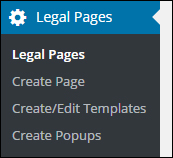
(WordPress Legal Pages Plugin For WordPress – Menu)
This lets you view, create and edit legal pages from the admin area …
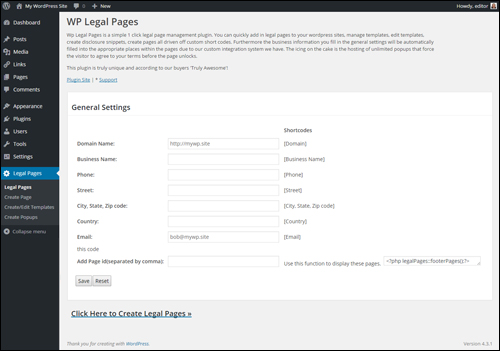
(WordPress Legal Pages Plugin – Settings Area)
You can create legal pages for different types of websites, such as business websites, affiliate/review websites, e-commerce sites, etc …
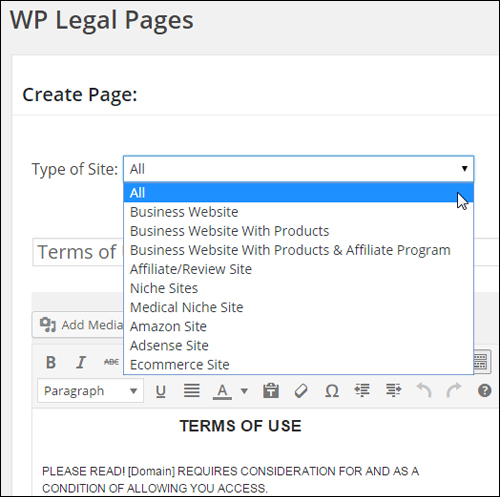
(WP Legal Pages Plugin – Page type menu)
Select from several pre-written legal templates …
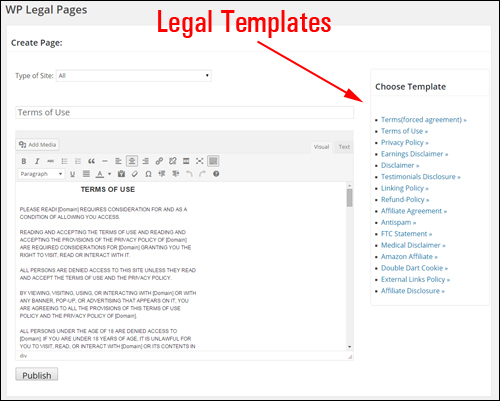
(WP Legal Pages Plugin For WordPress – Built-In Templates)
Legal page templates include:
- Terms of Use (Users are forced to agree to Terms and Conditions before using site)
- Linking Policy
- External Links Policy
- Terms and Conditions
- Refund Policy
- Affiliate Disclosure
- Privacy Policy
- Affiliate Agreement
- Facebook Privacy Policy
- Earnings Disclaimer
- Antispam Policy
- DoubleClick DART Cookies Policy
- Disclaimer Template
- FTC Disclosure Statement Template
- Medical Disclaimer Template
- Testimonials Disclosure – As per FTC guidelines
- Amazon Affiliate Disclosure Template
- DMCA Policy Template
- California Privacy Rights Policy Template
- Digital Goods Refund Policy Template
- COPPA – Children’s Online Privacy Policy Template
- Blog Comments Policy Template
- Newsletter Subscription Policy and Disclaimer Template
- FTC Disclaimer Widget
To learn more about using this useful plugin, visit this website:
Compliance Bar Plugin – WordPress Compliance Plugin
total website compliance & disclaimer solution …
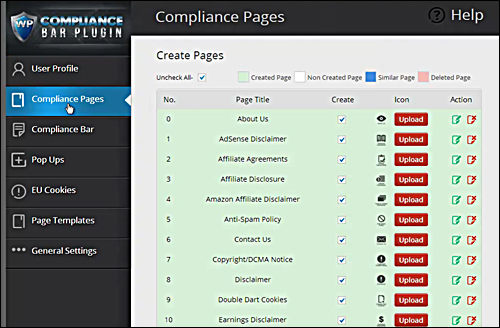
For more details, visit the plugin site here:
Legal Suite Pro Plugin
(Legal Suite Pro)
Legal Suite Pro Plugin lets you easily install professionally-written legal pages such as:
- Anti-Spam Policy
- Copyright Notice
- DMCA Compliance
- FTC Compliance
- Privacy Policy
- Social Media Disclosure
- Medical Disclaimer
- Terms of Use
- Earnings Disclaimer
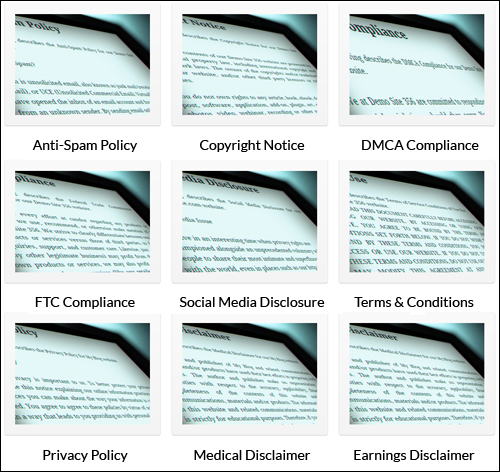
(Legal Suite Pro Plugin – Professionally-written legal forms)
Additionally:
- Drag & Drop FTC Disclaimer Widget: Add an FTC Disclaimer to any WordPress sidebar or widget area.
- Customizable EU Cookie Compliance Bar: Display an EU cookie compliance bar if you are getting traffic from the EU and your sites use cookies.
With just one-click you can install almost all of the legal pages your site needs and these professionally written legal pages can be created in your theme and/or as a standalone page outside of your theme.
The plugin developers secured rights to high quality, professionally written legal disclaimers and packaged them into a plugin that can be installed quickly on any WordPress site. You can have legal pages installed and set up on your site in one minute or less and the license allows you to install and use the plugin on all of your sites.
To learn more, visit this site:

If hiring lawyers to create your legal documentation is currently out of your budget, consider implementing at least some basic type of legal protection on your website until you can afford a lawyer.
We want your business to be protected!
Download the Legal Pages Generator software below (it’s FREE!), or use one of the better solutions we discuss in this article, such as using legal forms, or a plugin - see section below.
(Legal Pages Generator Software)
Legal Pages Generator allows you to easily generate necessary legal documents for your website including ToS, Privacy Policy, Copyright Notice, Website Disclaimer and Earnings Disclaimer.
***
As stated earlier, if you make money online, it’s important that your website is found to comply with legal requirements of government agencies that regulate business online and any guidelines and terms of service (TOS) provided by 3rd-party services and products that you may be promoting or advertising online. Your digital presence must comply with various regulations, many of which you may not be aware of.
Being non-compliant puts you at risk of suffering both financial losses and the loss of your reputation. Why risk your money and reputation, when you can protect yourself so inexpensively?
Disclaimer: Once again, we are not lawyers and we are not offering legal advice. We strongly advise you to do your own due diligence and consult a legal expert about the best way of ensuring that your website fully complies with all legal requirements pertaining to your business.
Resources
Below is a useful list of websites we suggest you visit to better understand what your business requires to stay compliant and meet legal obligations:
- FTC Latest List Of Rules & Regulations
- FTC Advertising & Marketing Rules Of the Road
- FTC Advertising And Marketing On The Internet
- Online Interest-Based Advertising Accountability Program
- Dot Com Disclosures: Information About Online Advertising
- Restore Online Shoppers’ Confidence Act
- CAN-SPAM Act Guide
- Children’s Online Privacy Protection Rule
- FTC Regulatory Review Web Page
- FTC Rules and Guides Currently Under Review
- The Department of Commerce Internet Policy Task Force – Commercial Data Privacy and Innovation in the Internet Economy: A Dynamic Policy Framework
- FTC Staff Report: Self-Regulatory Principles for Online Behavioral Advertising
- FTC Final Guides Governing Endorsements and Testimonials
- United States Patent and Trademark Office
- United States Copyright Office
Plus …
- Google Analytics Help – Policy requirements for Google Analytics Advertising Features
- Google AdSense Program Policies Explained
- Google AdSense Help – Required Content
- Google AdWords – Information Collection And Use
- Google AdWords Help – What to include in your privacy policy for remarketing
- ClickBank – Creating Your First Product
- Facebook Platform Policies
We hope this article has helped you understand the importance of having a legally compliant website. Use the information above to quickly add legal pages to your WordPress site using inexpensive solutions.
***
"Learning WordPress has been a huge stumbling block for me. I've been looking for something that covers absolutely everything but doesn't cost an arm and a leg. Thank you so much ... you have just provided me with what I have been looking for! Truly appreciated!" - Tanya